Blog Feed

Boots on the Ground

Boots on the ground! There’s no other way .  A pilgrimage or developing a pilgrim path begins with the first step.

We’re on our way to Walsingham.

I started off from Burgh Castle, St. Fursey’s 7th C mission station; passed through Great Yarmouth on my way to Reedham, where East Anglia’s first bishop Felix had a base. From their I followed the river to Norwich.

You can follow the path – the Norfolk Saint’s Way  – on-line, or better still pull on your boots. Its 42 miles from end to end, but you can break it down into separate day length walks.

Heron Stream ?

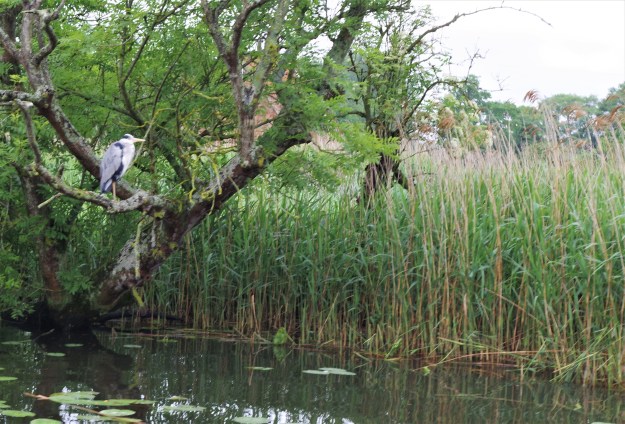
The whole length of the River Yare is haunted by grey herons. Grey herons in the shallows, up to their knees in water, catching breakfast. Lunch – of passing frog – on the marsh. Sat in trees, or flapping slowly across the sky on a wing and a prayer. There is a heronry somewhere in the maze  of twisting tidal creeks that is Surlingham Broad.  In the quiet you can hear the squarking.

Grey are not the only herons available!  Little and sometimes great white egrets are around in increasing numbers. And cranes are back breeding in the Broads NP after a 400 year absence.

The best explanation of the River Yare’s name to come my way, suggests it was once called the Heron Stream.  Gariennus the Romans called it. The modern Welsh for heron, is garan (and it is the same word for crane as well!).

Heron River, then!  I dismiss the case against!   The  explanation that Yare means  babbling, holds no water at all. Babbling it is not! It is brown and muddy!  For the properly argued case for Heron Stream see Andrew Breeze’s shart article here .

Voyage of the Bolero 2 : Surlingham

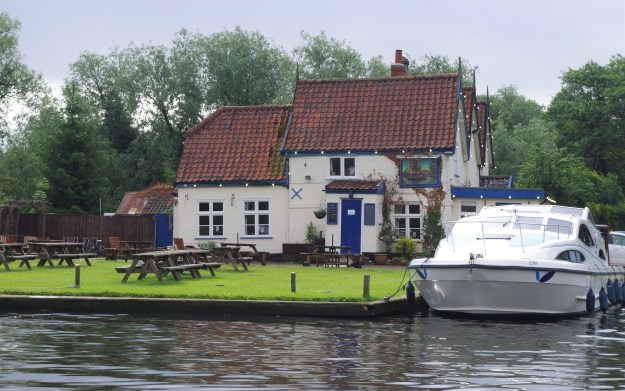
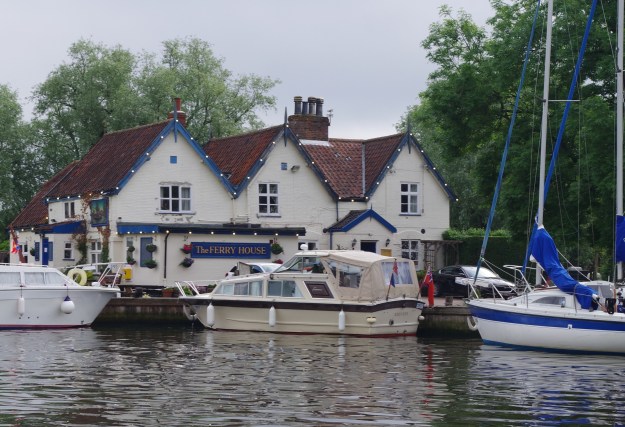
Across the the river from Postwick is Surlingham.  It has a very splendid pub –  The Ferry House – serving very special food, where pilgrims and visitors will be cared for by the land lady,  Sonia,  and her very special team! Before I stop singing the Ferry House’s  praises, let me add – those travelling by boat, can reserve a mooring;  and those of foot,  can camp.  Just phone in advance to book your place.

Royally  fed and watered, the crew of the Bolero slept like logs and in the morning walked the Surlingham Marsh Circuit,  following this route Wherryman’s Way Walk .  The path skirts the RSPB Surlingham Church Marsh ; and passes the ruined St. Saviour Church where the influential naturalist Ted Ellis is buried – Ted’s description of the Broads as “a breathing space for the cure of souls”, has been pirated by Britains National Parks  who describe themselves as breathing spaces.

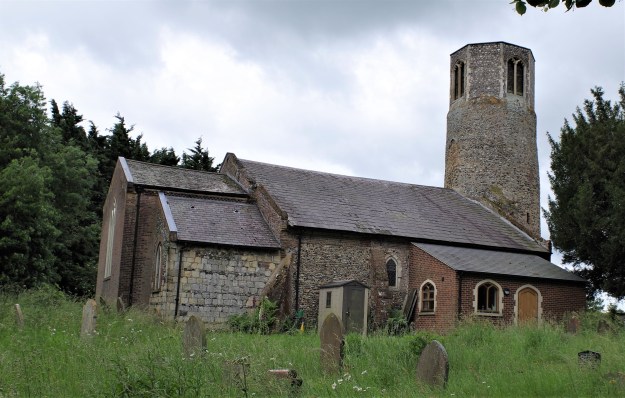
It also passes by the round towered  St. Mary’s Church.

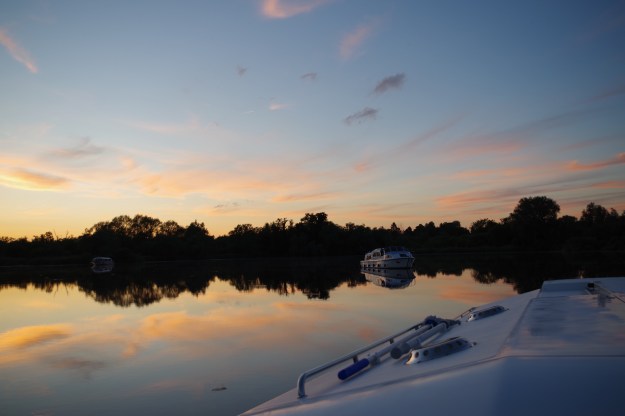
Returning to the Ferry House,  we made our way down river to lie to a mud weight overnight in Surlingham Broad.  At last, it had stopped raining.  A perfect end to a blessed cruise

We will lay ourselves down in peace and take our rest:
for it is thou, O Lord, only that makes us dwell in safety

Voyage of the Bolero 2 : Postwick

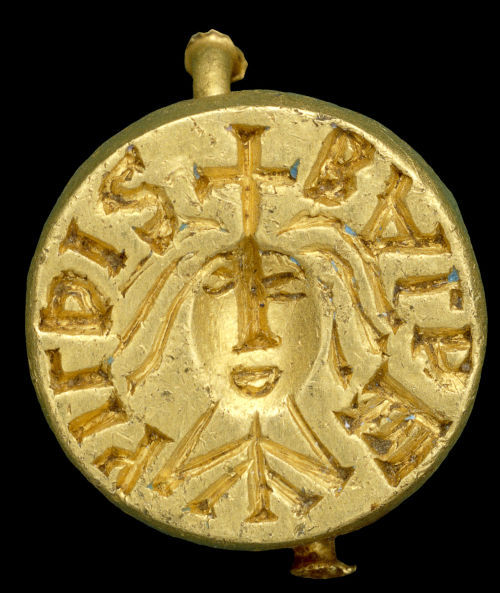
Bathilde Seal Matrix
Copyright British Museum PAS-8709C3

At different times in her life,  Saint Bathilde was a slave, a queen and an abbess; and there’s  a chance that she may have come from Postwick.  Mooring at Postwick Wharf,  we walked to the village to see what we could find of 7th Century community.

First stop was the church. Had we consulted the Exploring Norfolk Churches entry we might have known the church  was only open on Fridays.

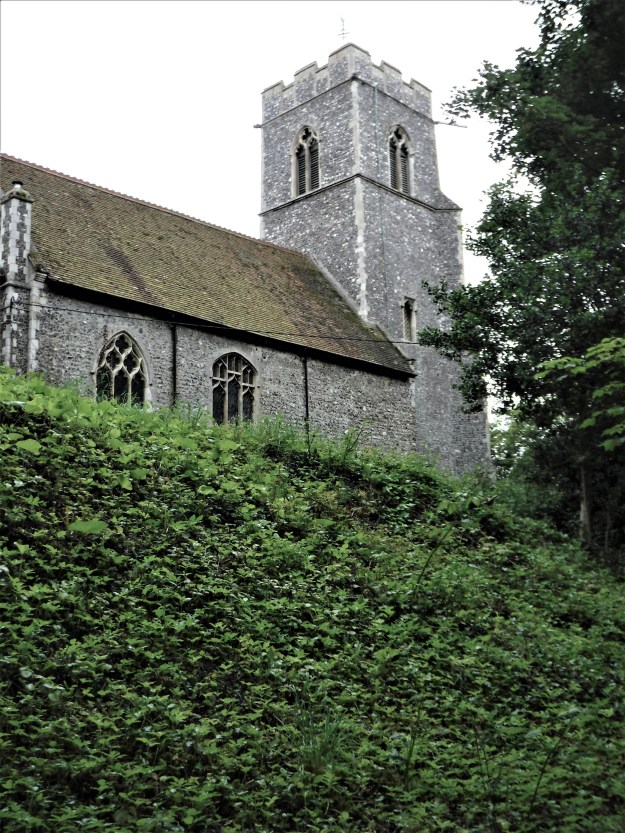
A quick tour around the outside, taking in doorways and windows, confirmed the earliest parts of the building dated  back to 13th C, like the entry said.  The beautifully worked flint quoins, suggested they and the walls might have been older.  There was certainly nothing that gave us any clues about the place Bathilde might have known.

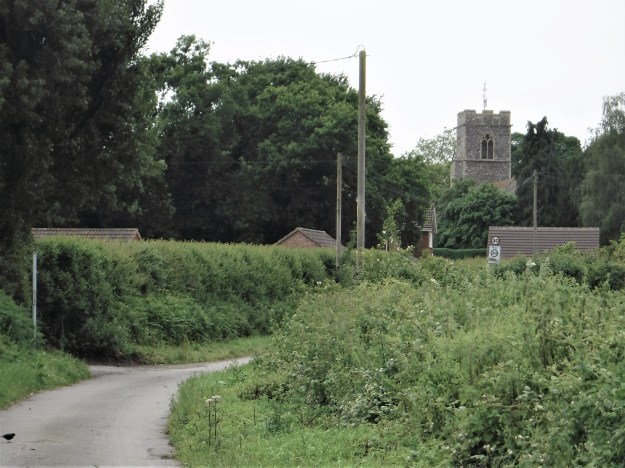
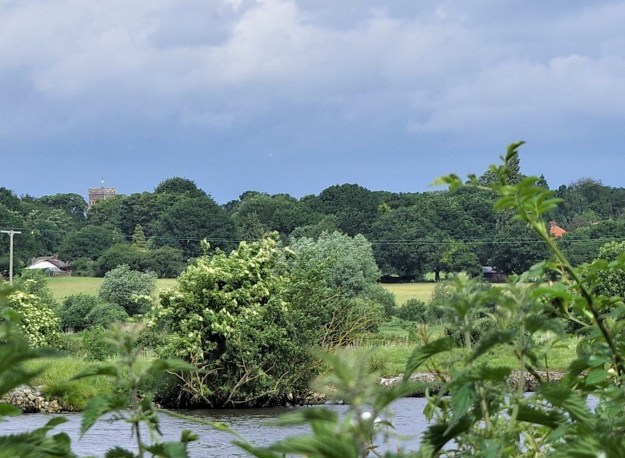
What wowed us,  however, was the place of the church in the landscape!  We had caught a glimpse of the 14th C tower as we had come down river. Today it is all but lost amid the trees growing around the church.


One imagines that back then, they would have cleared the trees away and it would be clearly visible high on a hill, rising steeply from the marshes below. The view looking up from the hollow way of Leeder Hill, gives a hint of how impressive it would have have appeared!

There is a church recorded in Postwick in the Domesday Book.  Was it on the same site? one wonders.   But the arresting position of the church, overlooking the marsh and river below, had been a constant over Postwick’s long history.  The site may been holy place, possibly a place of burial, from a time before the Christian Conversion.  In which case, the All Saint’s dedication would have given it an autumn equinox annual festival.  That is the time of year when, in the old religion, Balder went down to the underworld and, while the gates were open, you could communicate with the dead.

Surprisingly,  there’s a Roman connection here, as with so much on the Norfolk Saints’ Way.  Pope Gregory’s 597 Letter to Melletus  sets out a policy of replacing pagan festivals with Christian equivalents and re-badging  (the word christening is appropriate) pagan places of worship as  Christian Churches.

It is of interest to note the continuing power of the old religion, reflected in the strange things that still happen on All Hallowes’ Eve; and the contemporary Christian response to replace them with an appropriate alternative with such initiatives as  Light Parties.


Voyage of the Bolero 2 – Norwich to Postwick

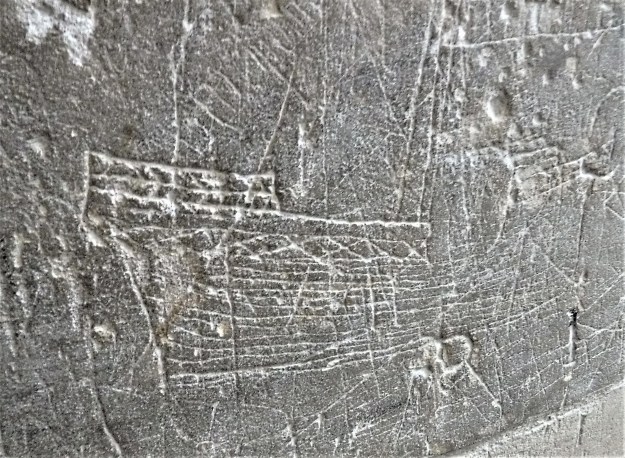
Before leaving the Cathedral, we sought out some nautical graffiti, on a pillar that would have been to the north of the Nave Altar.  The ship is hard to date, but it is a reminder of the ebb and flow of people and cargoes up and down the Norwich river.

The stone on which it is scratched came from Caen in Normandy.  Bishop Herbert Losinga who founded the church was a Norman and,  maybe,  the stone masons who cut and laid this stone were not a native East Anglians.  At a time of the cathedral’s founding Norwich was a bustling Anglo-Viking community and links across the North Sea have continued to the present day.

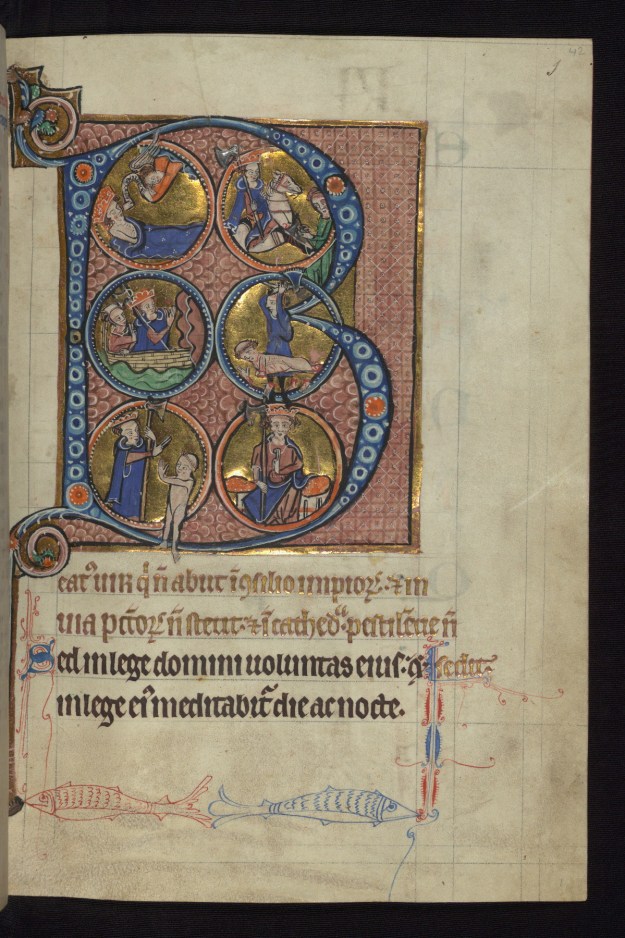
The enduring  links with Scandinavia can be seen in 13th Century Carrow Psalter,  where one page tells the Story of St. Olaf
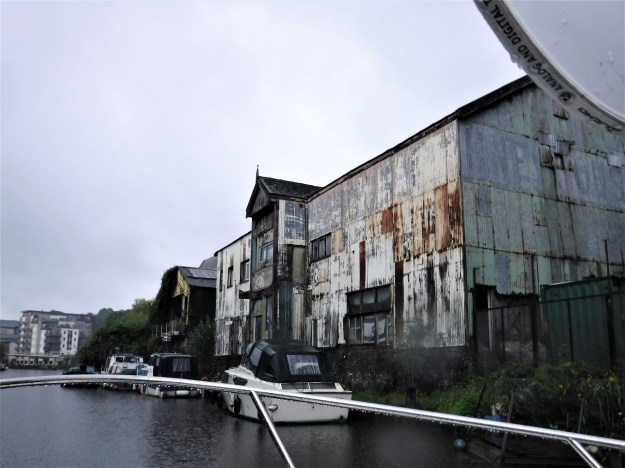
Making our way down river, we pass King Street which  was once a buzzing dockside haunt of merchants and seafarers and, the nearby, St. Julian’s Church.  Gentrification of the waterfront is in full flood, but signs of the commercial past are everywhere.
That night we moored on the edge of Norwich, at Commissioners Cut  in Thorpe St.Andrew.

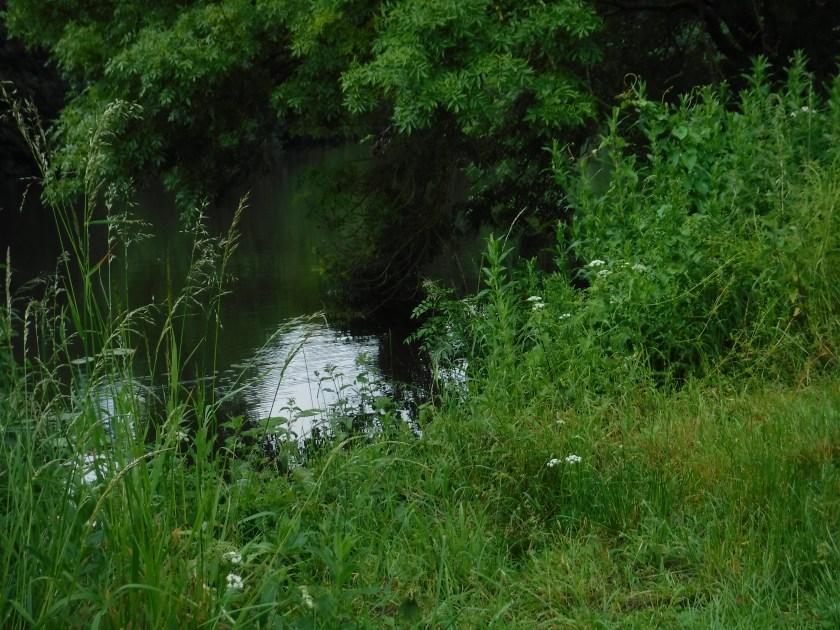
By morning the rain had passed and we were able to  walk before heading down river to Postwick Wharf.  The moorings are set in the Norfolk Wildlife Trust’s Thorpe Marshes Nature Reserve, just across the river from the Whitlingham Country Park. After the rain, butterflies and dragon flies were beginning to fly and the wild flowers ( “consider the flowers,” the man said and the birds!)
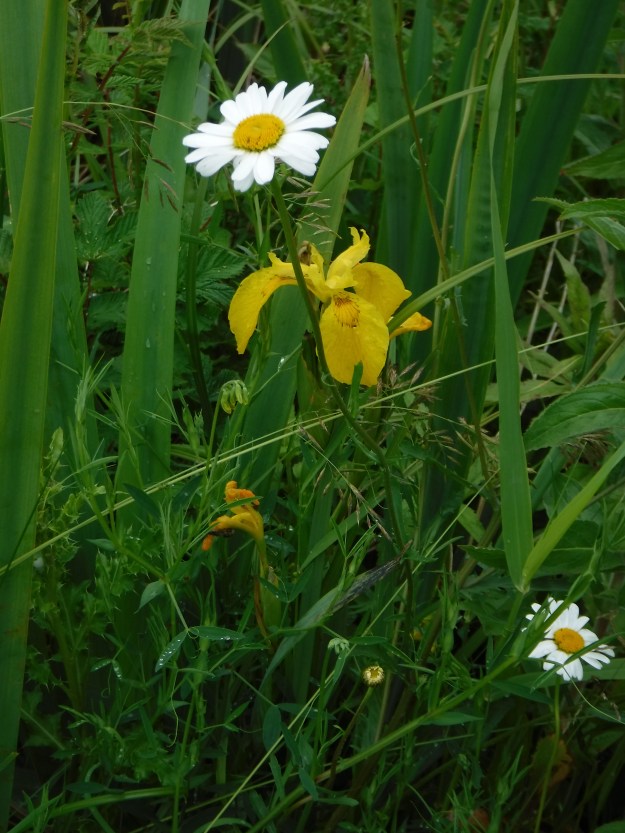
The wild flowers were to die for!

<Not the smoothest link!>

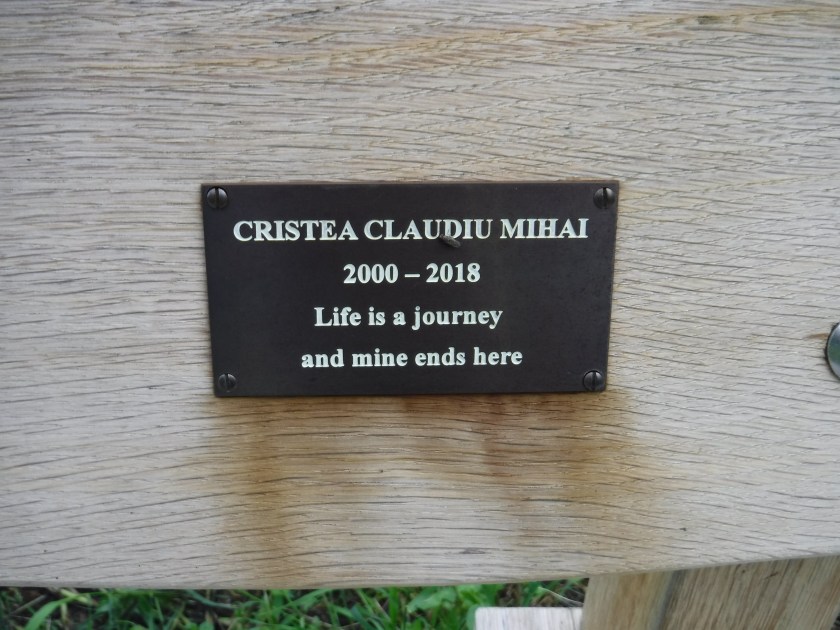
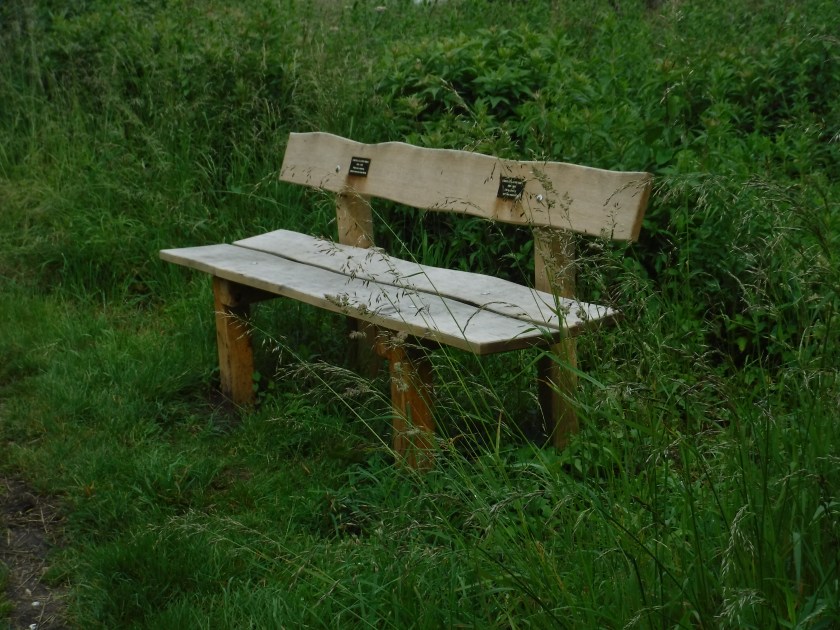
The death dealing aspect of water is never far away, and here by the side of the peaceful river those who wander and wonder find a reminder.  Three memorial benches


Stella Kambi, a Congolese teenager, died trying to rescue her cousin, Bonhuer Musungy, from St. Andrew’s Broad.   Claudiu Mihai,  a Romanian teenager,  wanted to be with God, so took his own life!   All three were immigrants, all three students at Thorpe St. Andrew School.Then and now, Norfolk is connected!

John Donne comes to mind!

No man is an island,
Entire of itself.
Each is a piece of the continent,
A part of the main.
If a clod be washed away by the sea,
Europe is the less.
As well as if a promontory were.
As well as if a manor of thine own
Or of thine friend’s were.
Each man’s death diminishes me,
For I am involved in mankind.
Therefore, send not to know
For whom the bell tolls,
It tolls for thee.

Returning to the boat. we headed down river with the ebb ( cue Alfred Lord Tennyson’s Crossing the Bar?)  towards our next stop at Postwick.

Voyage of the Bolero 2 : From Brundall Church Moorings to Norwich

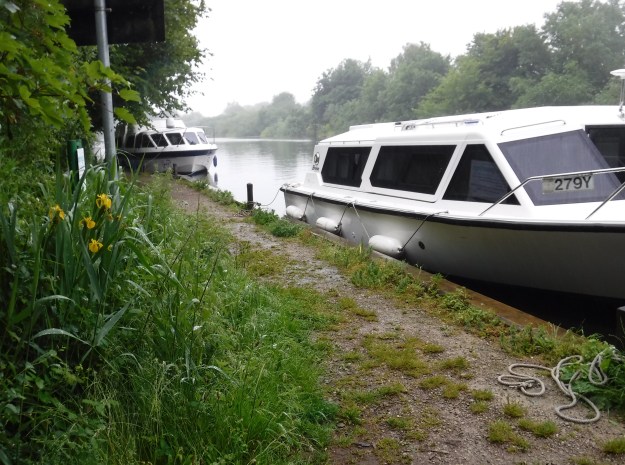
In the morning we set sail for Norwich. It is a lovely bit of river

On the way we passed – The Ferry House at Surlingham

and the Waters’ Edge at Bramerton .  And planned to return to Surlingham on our way back.

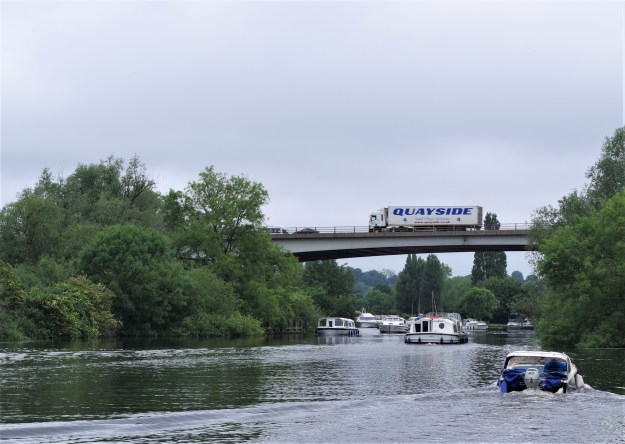
On our way into Norwich we passed under the Postwick Viaduct

Then enter the River Wensum at the site of  Carrow Priory, where it is believed Mother Julian had been a nun before becoming an anchorite. Shortly after we went under the Julian Bridge, close to St. Julian’s Church, where pilgrims may still visit her cell.

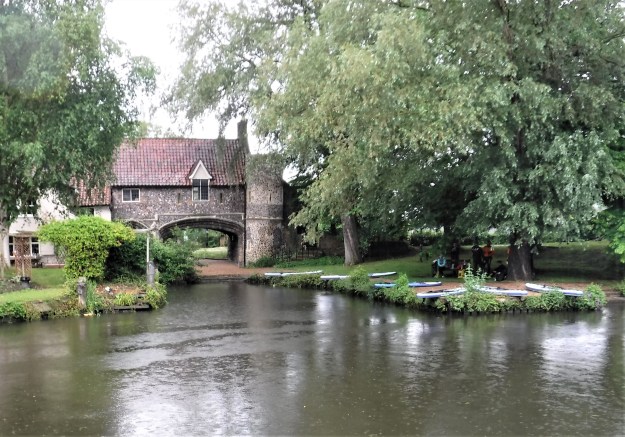
Passing under Foundary Bridge we moored at the Norwich Yacht Station opposite Paul’s Ferry, the medieval water gate into the Cathedral precincts.  It was not looking its best in the heavy rain that had set in!

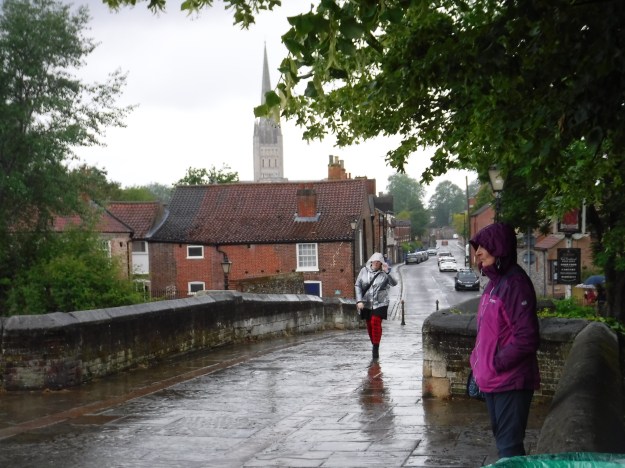
From the moorings to the Cathedral the way led passed a very wet Lollards’ Pit.  Those responsible for the burning of heretics (including some of our Loddon Lollards) would have been hard pressed to light a fire on a day like we were enjoying! Crossing Bishop’s Bridge, our destination was visible

On arrival at the Cathedral we paid our respects to Edith Cavell  and St. Felix  before sharing in the worship of the Cathedral at the mid-day Eucharist.

The faith that St. Felix planted in  East Anglian soil so long ago seems to be flourishing still!


Langley Dyke to Brundall

From Langley Dyke we made our way upriver through the Mid-Yare National Nature Reserve – the RSPB’s – Buckeham Marshes and Strumshaw Fen and the past Rockland Broad Ted Ellis’ Wheatfen

At Brooms Boatyard we pumped out the dirty water and topped up with fresh water before lunch at the Yare Pub. Then onto Brundall Church Mooring for the night.

A path from the staithe crosses the railway line, and turns into hollow way that climbed to the top of the hill and the Church of St. Laurence.  Hollow ways sunk into the land from centuries of use and churches on a rise above an ancient staithe are a common combination in the Broads!  Perhaps the most famous example is Ranworth and the writer knows of similar patterns elsewhere.

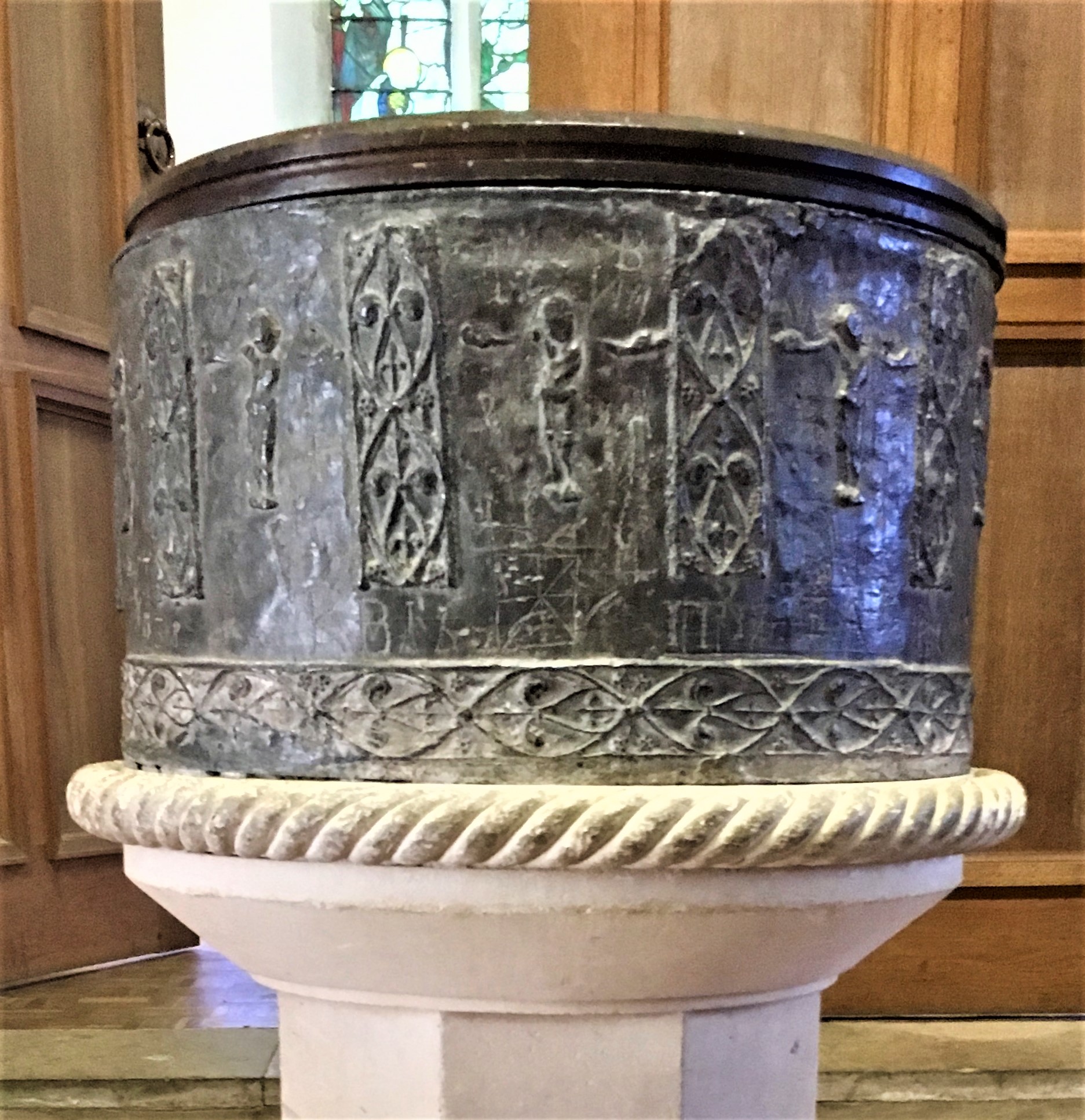
We were sorry to find the church closed when we tried the door, as we had wanted to the 13th C lead font.

image1
Thanks to the Rev’d Peter leech for the use of his photo

Walking around the church we saw that it has been much restored and extended. The earliest parts are from the 13th C, but the dedication to a Roman saint suggests an earlier foundation.


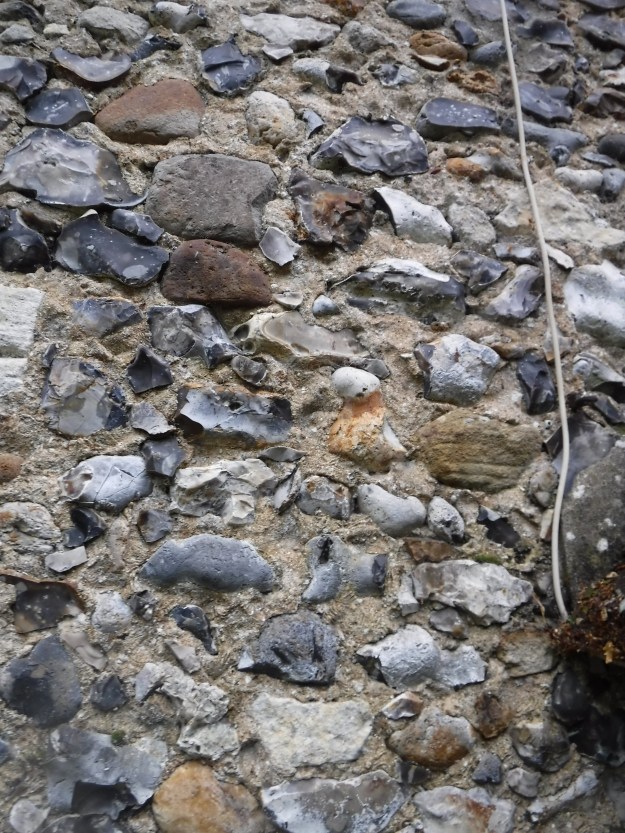
Examining the stones used to build the church, we thought we had discovered several geological oddities among the flint.  Perhaps they had one been ballast used by long departed ships off-loaded as they took on cargoes on the river below!

Tracing the origin of stones used in building  Broadland’s churches gives  present day researchers insights into past trading patterns and links across the sea. They are also a parable!

Be they finely cut limestone from the Norman heartland at Caen, or rougher limestone from quarries at Barnack, near to Peterborough; sea washed boulders  from countries around the North Sea;  local flint;  or re-used Roman materials;  they are all built into the one building; and that a place of worship!  So doing they provide a perfect illustration of  the metaphor used in the first letter of St. Peter (1 Peter 2.5)   – we are being built into a temple! 

New building in the churchyard of St. Laurence’s Church and a busy up to date notice board suggests the Church of living stones that meets here is very active !  And, what a coincidence, he is named after St. Peter, the first Bishop of Rome, a one  time fisherman who used to mess about in boats on the Sea of Galilee.

Green Pilgrimage and the Sacred River

River gods, sacred rivers and water metaphors are one of religions recurring themes.  Human-beings love being beside the water and there are numerous studies show that being beside the water  is good for our mental health.

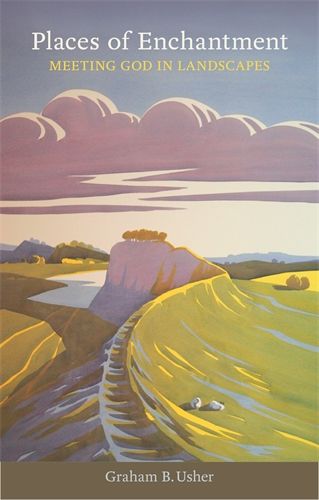
The newly appointed Bishop of Norwich has a chapter on rivers in Places of Enchantment

It is well worth a read!

Voyage of the Bolero 2 : At Langley Dyke

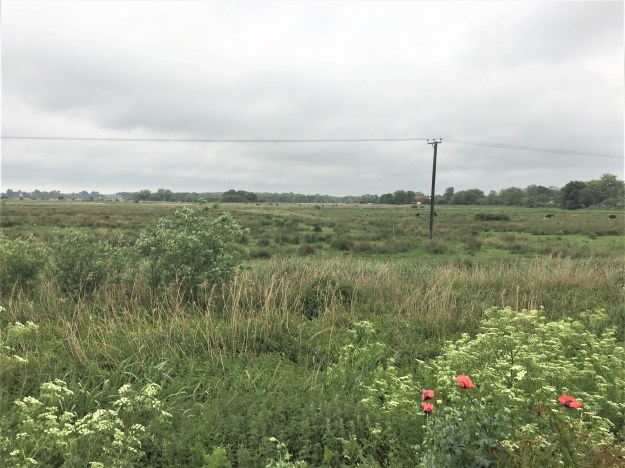
It was good to be in the calm of Langley Dyke after the blow and wet or the trip from Loddon.  The moorings are sheltered behind a stand of trees full of raucous rooks and give a view  across marsh land.

As we arrived guardian rooks were noisily chasing off a marsh harrier: a sufficient reminder that that this is Crow Country !  Mark Cocker’s home is in the neighbouring Claxton.

The Wherryman’s Way path follows the bank of the Dyke before turning west past the ruins of Langley Abbey , today a wedding venue but from 1195 to the Reformation was the home of Premonstratensian Canons who served the local parishes.  The Ranworth Antiphoner  , on display at St. Helen’s, Ranworth was produced at Langley.

One of my favourite pictures from the Ranworth Antiphoner is of Jonah!  I think of it as illustrating the dangers of Pike Fishing on the Broads!


Voyage of the Bolero 2 : Reedham to Langley Dyke

It was wet but we just had to visit Loddon – site of an early St. Felix foundation.
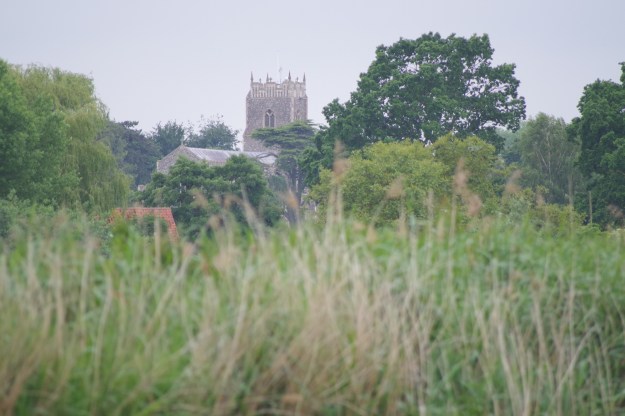
The first view of the tower as we wound our way up the narrow River Chet was over reeds and across marshes.

There are pleasant moorings in this bustling town with plenty of shops, pubs and cafes.

The Church is well worth a visit too! No signs of Felix’s church survive but the present church has an interesting Rood Screen and a Seven Sacrament Font.  It is only a couple of miles back down the Wherryman’s Way to Heckingham Church another gem!

From Loddon to Langley there was more weather than we had bargained for so we were glad to moor in the dyke